10 Tips You Need to Know Before Buying a Running Watch
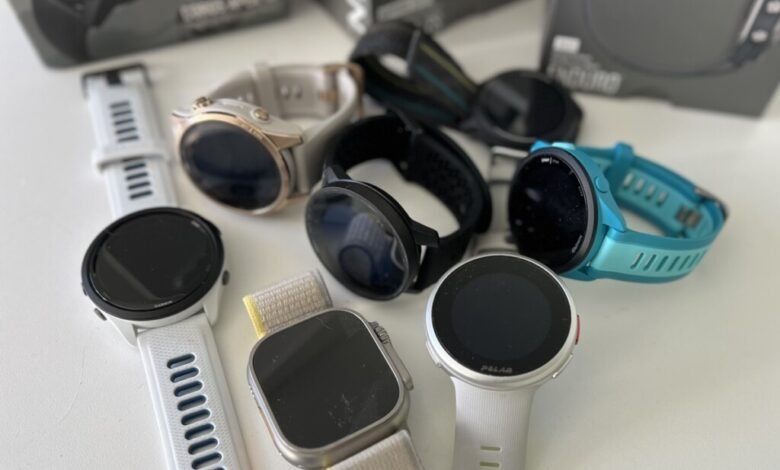
If you start searching for the best running watch, it can quickly feel like you’ve fallen down a never-ending rabbit hole. There are so many brands, so many options, and plenty of metrics available that you might not even be sure how to use them all. Take a deep breath, we’re here to help with the tips you need to know before buying a running watch. 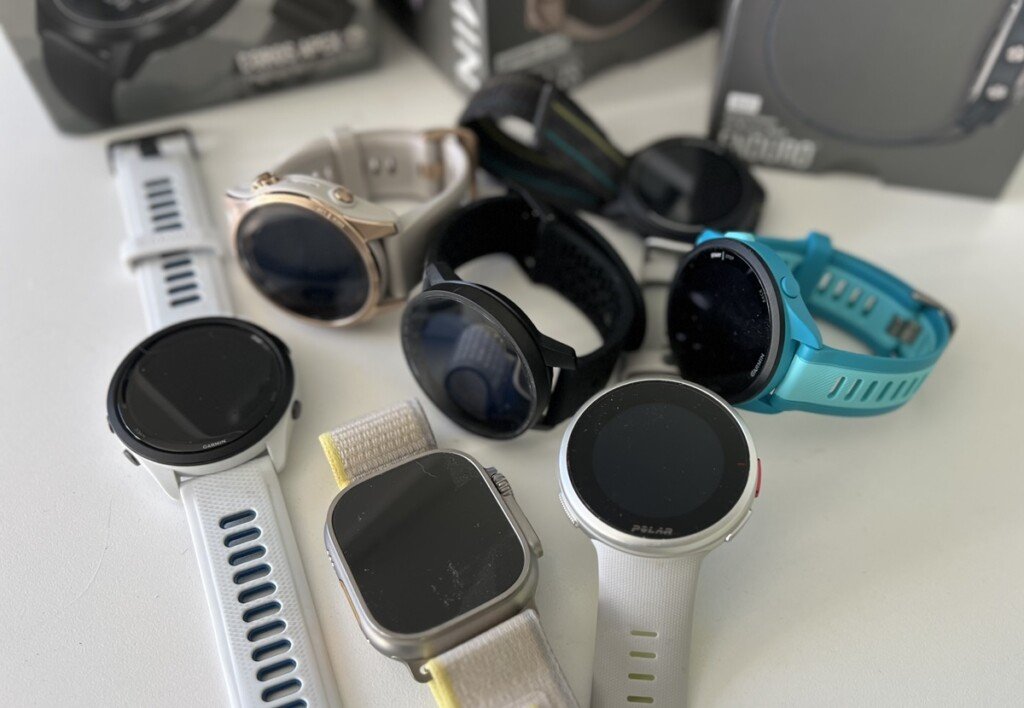 If you feel like you’re going cross-eyed looking at all the different running watches out there, you’re definitely not alone.
After years of testing A LOT of watches, Coach Amanda still has her tried-and-true favorites, but that’s mostly because those watches have the features she needs to support her running and fitness goals.
We’ve put together a list of the best running watches, but here are a few things to know before you click add to cart.
How to Choose the Best Running Watch for You
Let’s be honest, most running watches today come with plenty of bells and whistles. So a lot of the decision really comes down to your training goals and how you plan to use the watch.
Do you need serious battery life? Do you need it to be more integrated with all your apps and social tools? Do you need on-screen maps?
You may not need the most expensive watch on the market, and we’re here to tell you that’s totally okay.
A running watch is kind of like a pair of running shoes; there are lots of options, and it’s not a one-size-fits-all.
5 Tips for Buying a Running Watch
Not only do we LOVE talking running gear with you, but you often ask us what you really need.
It’s REALLY easy to get super excited about the high-end running watches. But do you actually need all of those features?
Sometimes you may end up disliking a watch because it’s more than you need, and you can’t easily get to what you want. Or you simply spent way too much, which means less money for new running shoes.
1. Battery Life Matters More Than You Think
Battery life is honestly one of the most underrated things to consider when buying a running watch.
Ask yourself: What are you going to be using it for? Will you be wearing it all the time to track sleep and get messages, or do you want it to last for something like an ultra?
If you’re running 5-10 hours a week, almost any GPS watch will handle your needs just fine.
Battery life becomes a real deciding factor when you’re running ultras, adding in extra activities like cycling or strength training, hate remembering to charge or want to wear it 24/7 for sleep and health tracking.
Entry-level watches (ie. Garmin 55) typically have a battery life of 15-20 hours in GPS mode; smartwatch mode is 7-14 days (smartwatch mode means tracking steps, sleep, receiving notifications, etc.).
Mid-range watches (ie. COROS Apex 2) typically have a battery life of 20-30 hours in GPS mode and 15-20 days in smartwatch mode.
High-end watches (ie. Polar Vantage V3) typically have a battery life of 40-60+ hours of GPS and 3-4 weeks in smartwatch mode.
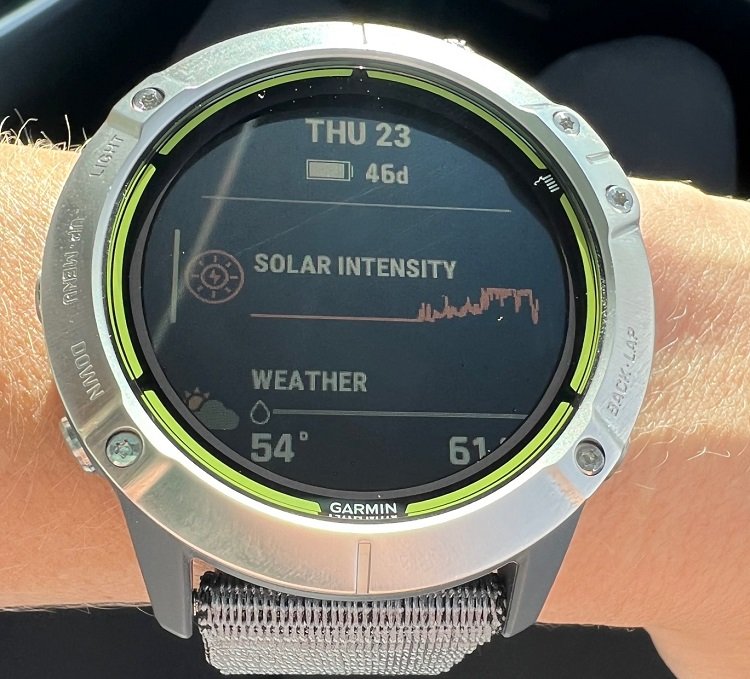
Solar charging options (ie. Garmin Enduro 3) mean that it’s just an extra way to boost the watch battery. But don’t expect to get a full charge here, you’ll still have to plug it in!
It’s important to keep in mind that the time your battery lasts is directly proportional to how often you use your running watch, which features you use most, and even how bright the watch face is.
2. Don’t Buy More than You Need
Looking at the plethora of watches our team has tested, we’re the first to admit we get very excited by all the gizmos, gadgets, wickety, wackets that come out each year. And then just as quickly go back to using the features that really matter to each of us.
VO2Max:
This is one of the features that appear on many watches now. Coach Amanda has written a whole article to help you use that feature, but most of us aren’t.
Additional sports Metrics:
The Garmin Fenix is one of the more advanced watches and includes features like tracking our Ski/Snowboarding adventures for speed, distance, vertical drop and an automatic run counter. Meanwhile, in golf mode, it gives you yardage to the front, back, and middle of the green for any single course you’ve downloaded.
Barometric Altimeter:
Do you spend a lot of time on the trails, hiking, running, or biking? Is it possible you’ll get lost and need to know your exact location?
Then the Suunto Sport might be worth the extra coins for a more precise GPS altitude reading. It’s also going to tell you the air pressure, provide storm warnings, and temperature readings. And it allows you to navigate to a specific point of interest, no worries about your phone’s WiFi.
Sleep, food, life tracking:
These puppies can do it all now. And while we’re enjoying the daily step counts, do we really want to sleep in my watch? Do you need to have your phone interrupt even more of your life by lighting up your wrist? Debatable.
All great…but possibly overkill for a lot of us.
You know if you slept well or didn’t. You don’t need a watch to tell you!
3. Prioritize Wrist HR Accuracy
Heart rate training can provide a wealth of information to enhance your running. But first, let us say, you gotta ditch the models that require the chest strap. We’ve all been there with the post-run scrapping, dipping, and dropping of those things that last a lifetime.
A new world of training opened up with the advancement of HR through the wrist strap.
We get a lot of questions about wrist-based accuracy: We’ve had great luck with it, in certain watches. That’s the key; some just aren’t as good.
There are definitely issues in extreme cold because your blood flow changes, and skin temperature can make readings harder. You often can have a spiking issue with all the chest straps, but not those specific wrist readers.
Why use HR?
- Allows you to measure intensity
- Allows you to measure fitness progress – overtime you should have a lower heart rate for the same pace
- Allows you to see when you’re overtraining (HR Is running higher than normal or you can’t get your HR up)
- Allows you to do things like a Low Heart Rate training plan to build a better cardio base
4. GPS Quality
We’ve all wigged out over finishing a race to see our watch show an entirely different distance than the one we signed up for, which we can often blame on tall buildings, running under bridges or other signal interrupters that most watches will be prone to.
Some watches are known to have better GPS signals and tracking:
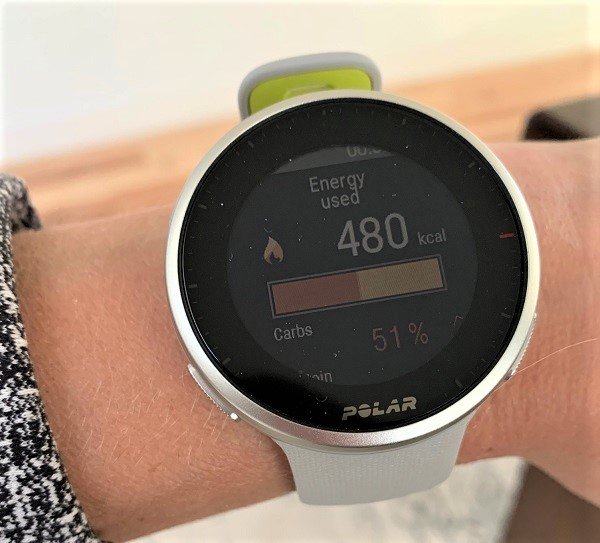
- Polar is now using FOUR satellite systems, which should make them very accurate
- Garmin is the most well-known for its variety of GPS products
- Suunto has more tools built in, like the altimeter, to improve accuracy
- All of these watches are likely more accurate than your smartphone due to their technology
While you’re standing impatiently, hoping from foot to foot with your arm in the air, your watch is trying to latch on to at least 3 of the 24 satellites orbiting Earth.  You can help improve the accuracy by:
- Ensuring you’ve updated your watch software
- Giving the watch a full minute to completely connect, the more it connects to the stronger your signal as you pass under things. Feel free to turn it on inside next to a window.
- Save locations to speed up GPS locating (if your watch allows it)
- Look for a watch with GLONASS for improved accuracy, but possibly shorter battery life
- Upload your data – many of the online tools will actually “clean up” the watch data for improved accuracy.
5. Switching Apps
Each watch comes with its own App to upload your data (and manage the watch), which is great unless you’ve been using something else previously or tend to be a watch hopper like me.
While it may sound minor, after years of running, you’ll wish you had all your information in one place. It’s extremely helpful to see your year-over-year data or compare training cycles to see what has worked previously or to identify injury trends.
Not sure which app to work with?
Checkout these free running apps >>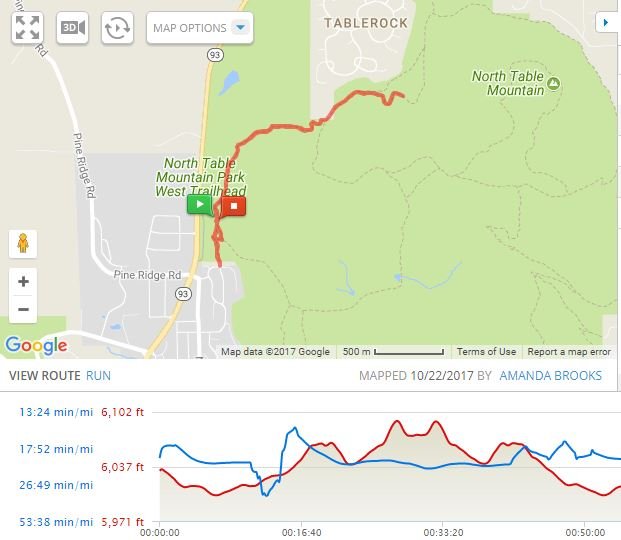
Hopefully, this was helpful as you start narrowing down what running watch you want to get.
Did we miss anything? Let us know below.
Looking for what to read next?
- Why your watch says unproductive
- Is your watch or treadmill right?
- Best HR monitors (from watches to straps)
The post 10 Tips You Need to Know Before Buying a Running Watch appeared first on RunToTheFinish.