Dry Needling, Muscle Scraping & E-Stim: Do They Actually Work for Runners?
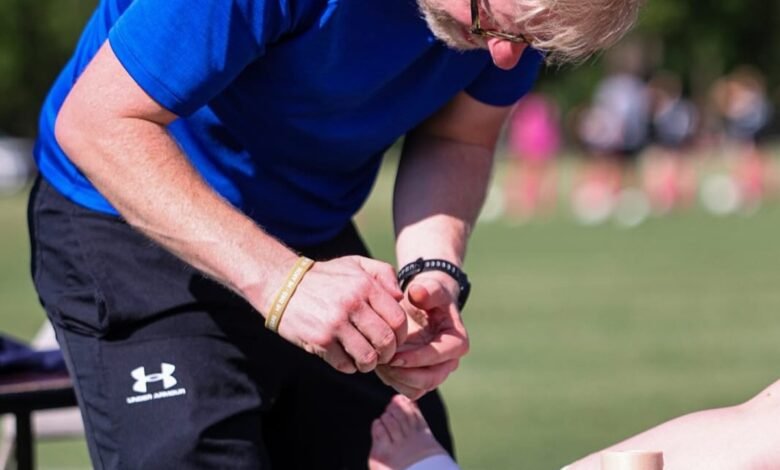
Dry needling, muscle scraping, lasers… these recovery treatments pop up a lot in conversations about running injuries. Some runners swear by them, others aren’t sure what they actually do. Like most things in running, the benefits can depend on the individual, the injury, the timing, and how the treatment is used.
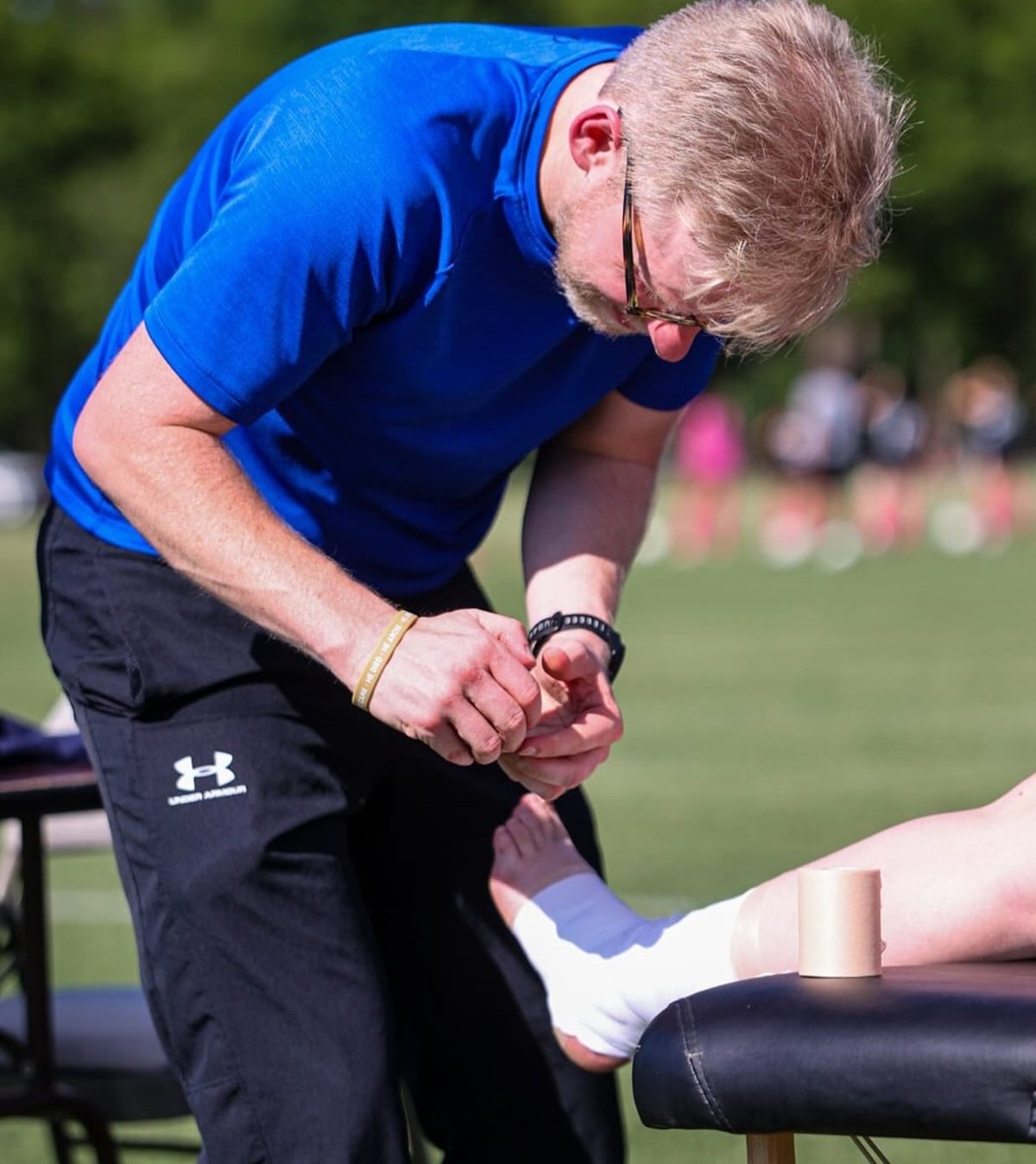
To dig into some of these therapies, we spoke with Dr. Logan Dockery, a physical therapist and running biomechanics specialist who regularly works with runners.
He believes treating runners requires understanding far more than just the injury – you must consider biomechanics, training load, terrain, footwear, race goals, and the mindset that drives them.
His focus is not just getting athletes out of pain, but improving efficiency, reducing injury risk, and aligning rehab with their long-term performance journey.
So if you’ve been wondering whether treatments like dry needling, scraping, or lasers are worth trying, we’ll break down some of it here.
And if you want the full discussion, you can listen to the episode with Dr. Dockery on the Tread Lightly Running Podcast.
Dry Needling, Scraping, and Lasers: What Your PT is Actually Doing to You
Even if you’ve never tried these treatments yourself, you’ve probably seen them in a physical therapy clinic or maybe on a PT’s social media account.
Needles, scraping tools, cupping, and electrotherapy pads are all fairly common, which can leave runners wondering what they actually do and whether they’re worth trying.
In many cases, these treatments are used to help calm pain, improve how tissues respond, or make it easier to do the exercises that support recovery.
But they’re not a magic fix; they’re typically just one piece of the overall rehab process.
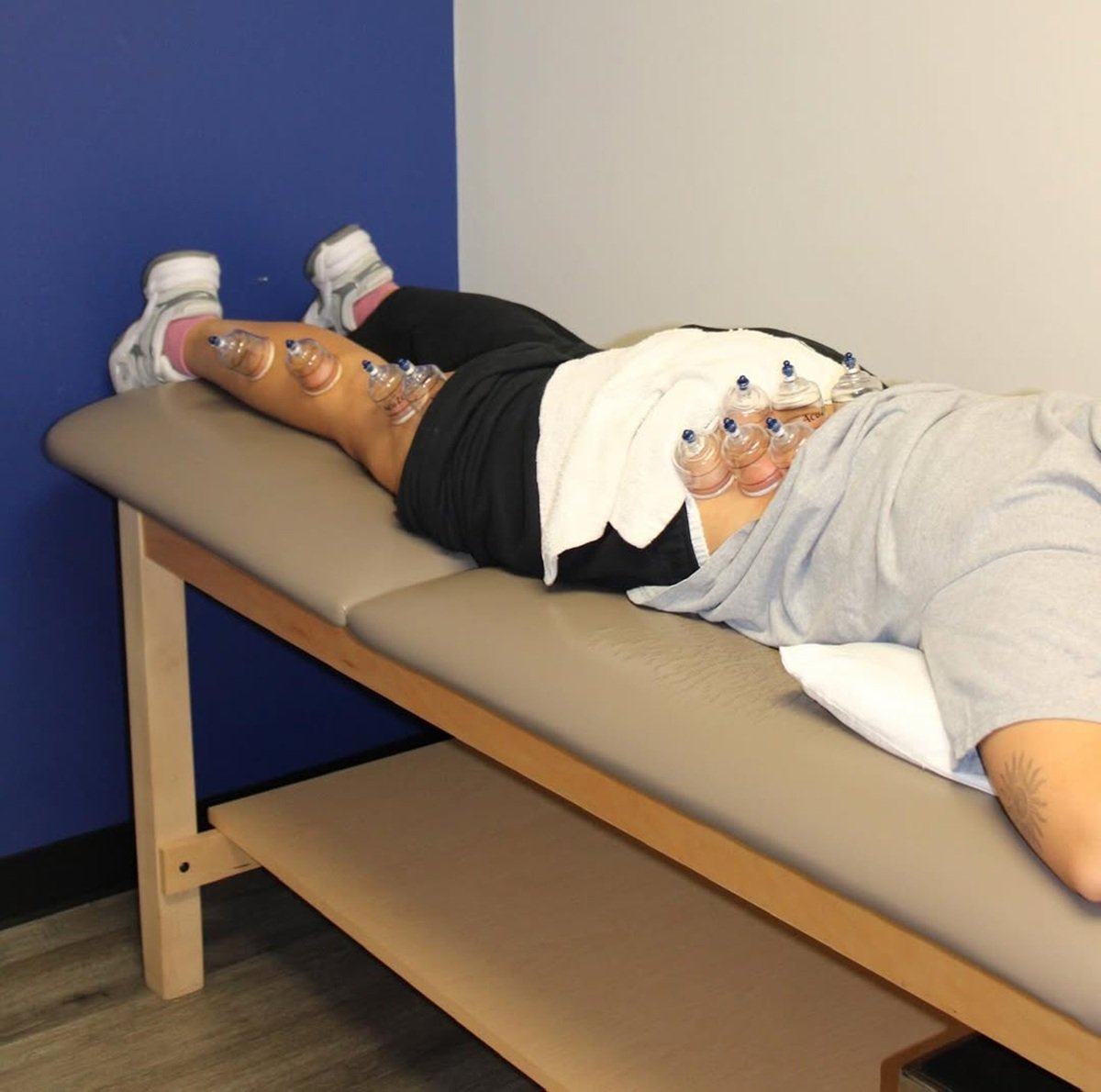
Let’s take a look at a few of the treatments runners ask about most often.
Keep in mind that rehab isn’t one size fits all. The right approach will depend on the injury, the timing, and the runner.
So while you may see certain treatments trending on social media, it’s always best to work with your PT to decide what makes sense for your situation.
Does Dry Needling Work for Running Injuries?
Dry needling is becoming increasingly common in a PT’s office and is often confused with acupuncture.
I can tell you firsthand, they are for sure very different, and I’m starting to sweat just thinking about my past dry needling sessions. Ooof.
Dry needling uses a thin needle placed directly into the muscle belly, usually targeting a trigger point. When the needle hits that spot, it can cause a twitch response that helps the muscle relax.
If you’ve had it before, you know exactly that feeling…jumpy, weird, but feels so good.
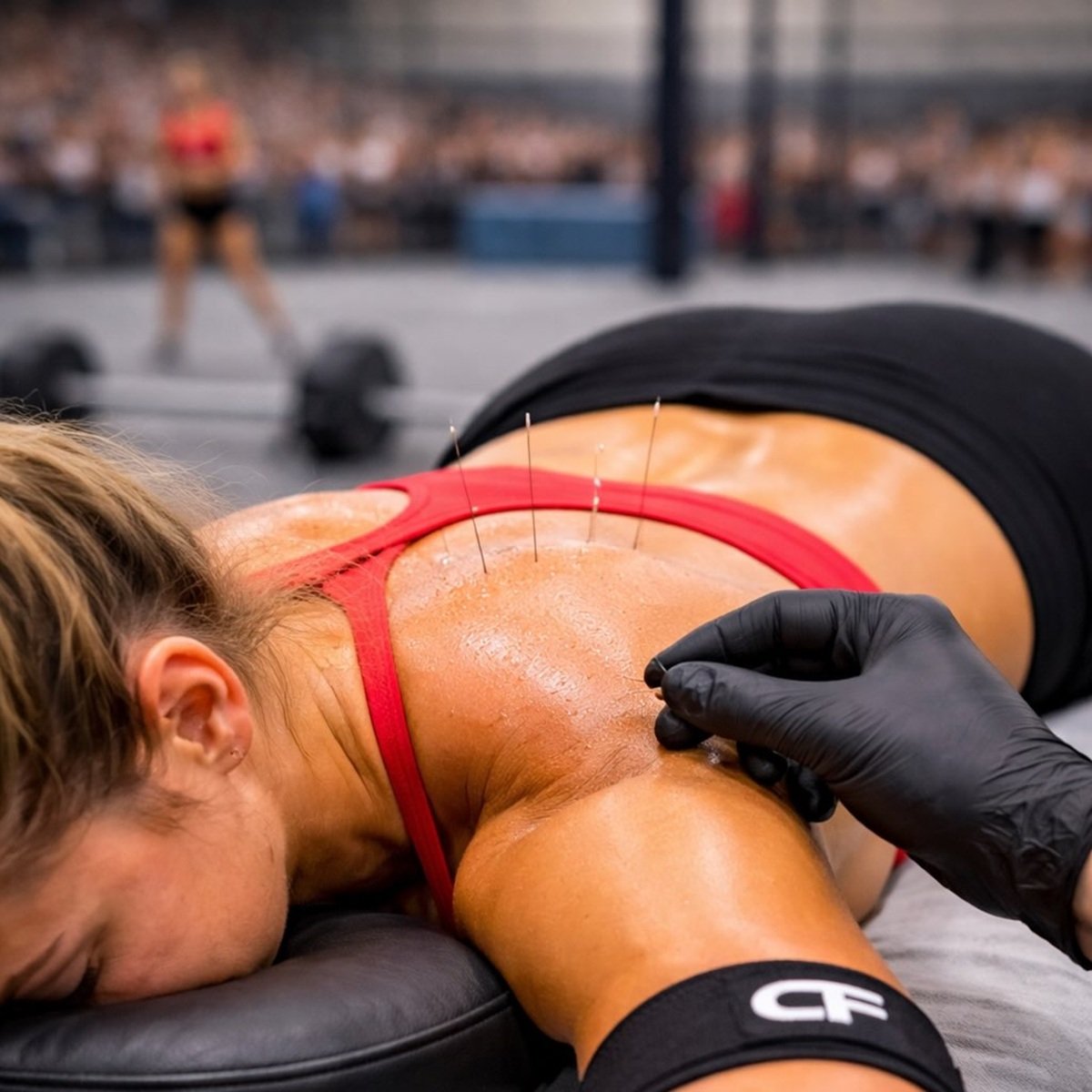
Dr. Dockery shared that the goal of dry needling is to stimulate the body’s healing response and encourage blood flow to the area.
Sometimes a PT may add electrical stimulation to the needles, which causes small muscle contractions, which basically feel like tiny little twitches around the muscle that’s being treated.
Dry needling is super helpful, but it’s just an adjunct treatment to strength and mechanics.
Why You Should Be Cautious About at-home Muscle Scraping
You may have seen posts on social media throughout the last few years of runners using at-home muscle scraping tools.
They’re super popular and can easily be bought online from various brands.
The reason why PT’s say you should be cautious? It’s very easy to overdo it.
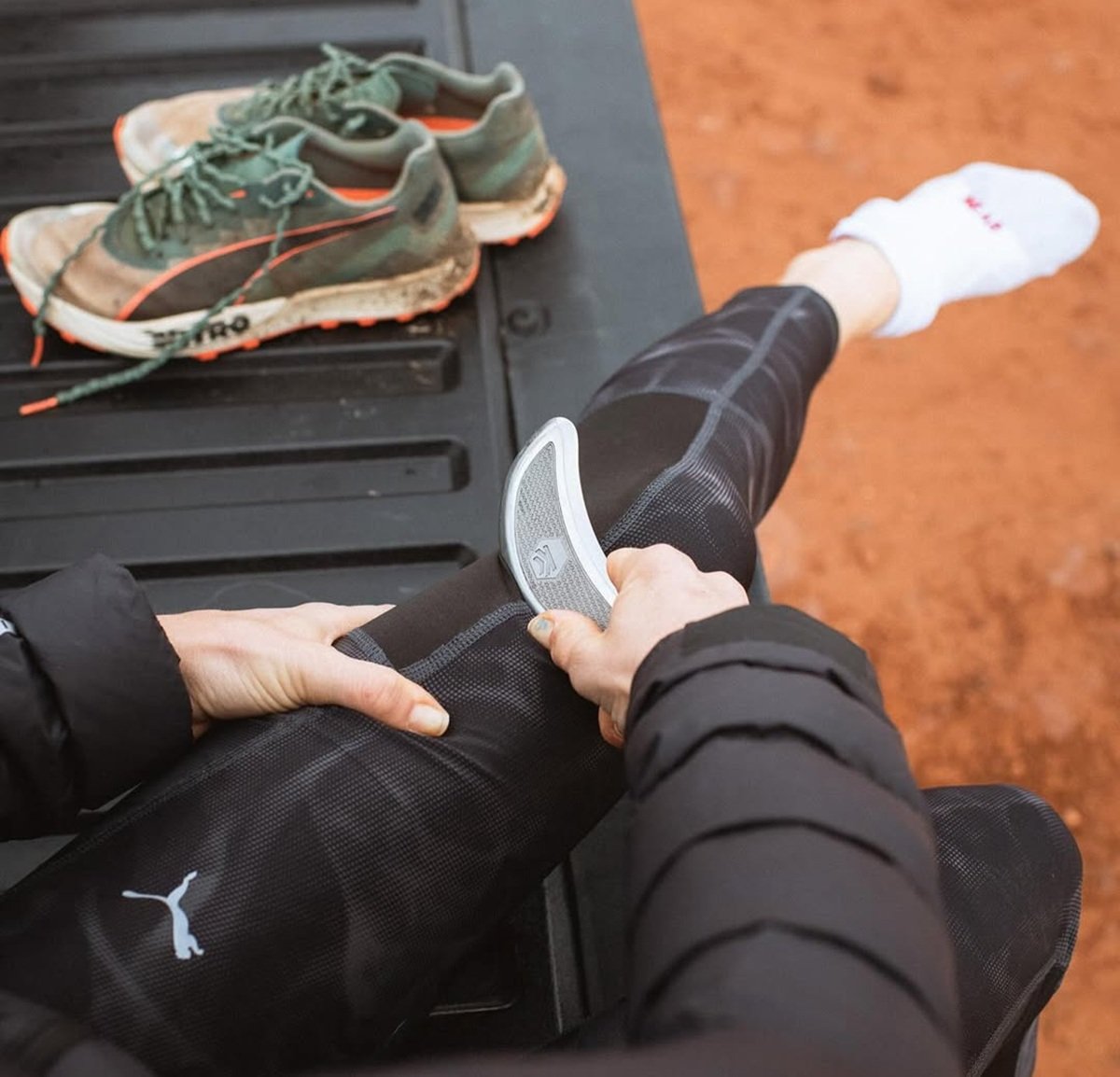
If scraping is applied too aggressively or too early in the healing process, it can irritate the tissue and even restart the injury cycle.
Dr. Dockery mentioned that if a runner uses it at home during the acute inflammatory phase, it’s more likely to just make the muscle or area super angry again, rather than feeling good.
It’s a good tool to have in your toolbox, but Dr. Dockery says he’s often very cautious when recommending it to runners because many of us may overdo it in hopes of feeling better faster.
Instead, he recommends safer options, such as foam rolling, a lacrosse ball, or a percussion device like a massage gun, to help reduce tension without the same risk of aggravating the injury.
When Electrical Stimulation is Useful in PT
We’ve talked about TENS and EMS therapies on the blog before, but here’s the PT’s point of view.
Electrical stimulation is another popular tool you’ll find in a PT office, especially one that treats athletes.
In the episode, Dr. Dockery talked about two types of electrical stimulation: TENS and NMES.
TENS focuses on pain modulation. It interrupts the pain signals traveling from the injured area to the brain, making the discomfort feel less intense. He described it like when you’re watching TV and the signal is fuzzy. The message is there, but it’s less clear.
NMES, on the other hand, is there to help the muscle contract. This can help retrain a muscle after an injury or surgery.
Can you do these treatments at home? Sure, we’ve even reviewed the Chirp Halo, but the ones you’ll find in the PT office will be more powerful. And a PT can provide targeted treatment.
There are even more treatments that we discussed with Dr. Lockery, but you’ll have to listen to the full episode to hear the entire conversation.
Hopefully, this gave you a better understanding of how tools like dry needling, scraping, and electrical stimulation may be used in physical therapy.
Looking for what to read next?
- PRUNGO Red Light Review | Better Than Panels for Targeted Pain Relief?
- Hyperice Product Comparison: Which Recovery Tools Deliver? We Tested them All
- How to Use Kinesiology Tape to Reduce Swelling
The post Dry Needling, Muscle Scraping & E-Stim: Do They Actually Work for Runners? appeared first on RunToTheFinish.