What Causes Muscle Cramps for Runners + How to Prevent Them
Have you ever had to stop mid-run for a muscle cramp? Or maybe you were just sitting on the couch, went to stretch your leg and suddenly bam a cramp stops you in your tracks. Oof, that’s never a great feeling. The good news is there are ways to help prevent muscle cramps from happening.
Muscle cramps are something many runners deal with at some point, especially when you’re in the thick of a training cycle, and the miles start to add up.
They can happen for a few different reasons, which means there usually isn’t a one-size-fits-all fix. While we’ll share a few tips below, it’s important to remember that finding what works best for your body might take a little trial and error.
So let’s look at what actually causes these cramps and what you can do to help prevent them.
What Causes Cramps While Running?
The exact cause of muscle cramps has not been fully determined, but many runners’ experiences give us an idea.
But we’re confident in saying that one of the most common causes of muscle cramps during or after a run is overuse.
This includes pushing your body, especially your muscles, beyond their limits. This causes even more issues when you skip your warm-up, run in hot weather, and sweat excessively.
Other reasons why you may have cramps include:
- Running harder than you’re body is ready for
- Lack of oxygen in the cells, which may happen due to sharp, shallow breathing
- Not drinking enough water/eletrolytes
- Deficiency in electrolytes such as potassium, magnesium, and sodium
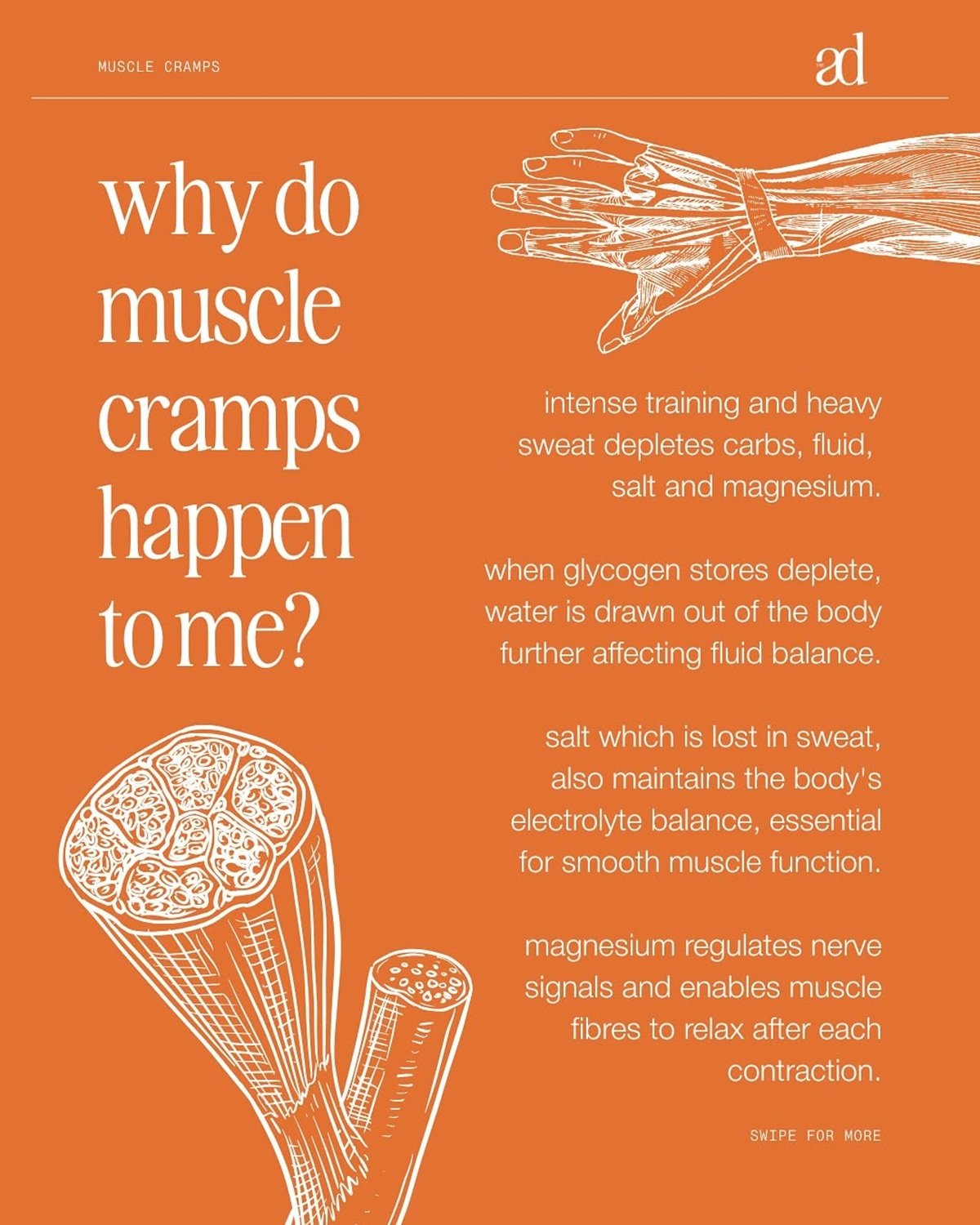
Muscle cramps often occur when a muscle works really hard, repeatedly, while staying in a shortened position.
That’s why calf muscles are one of the most common spots for runners to cramp.
When you’re running, your calves are constantly working and staying in a slightly shortened position, which can make them more prone to tightening.
When a cramp hits, the best way to help it relax is usually to gently stretch or lengthen the muscle.
Paying attention to what might be causing the cramps can help you figure out the best way to prevent them in the future.
How to Prevent Muscle Cramps While Running
Here are some tips that have worked for the athletes we coach and our team, whether you need to get rid of cramps while running or have them sneak up on you later in the day. A few key changes to your routine could be all it takes.
#1 Hydration and Electrolytes
Dehydration tends to be the first thing most doctors point to because it’s the easiest to resolve. Ensuring you drink enough fluids to stay hydrated is key to keeping your muscles happy.
This research study showed that hydration and electrolytes don’t completely prevent muscle cramps, but they can help delay when cramps happen and may make them less severe.
Here are a few tips to get started:
- Make sure that you drank at least 8 ounces of water with electrolytes 30-45 minutes before running
- Try sipping every mile when your watch beeps
- Start carrying hydration on every run (here are the best hydration packs or running belts you should check out)
Electrolytes such as potassium, calcium, chloride, sodium, and magnesium aid in muscle function and the transmission of muscle impulses.
I learned that I was actually sweating and drinking so much water that I was washing electrolytes from my body! I needed to start adding them back in, which I’ve talked about in-depth in Electrolytes for Runners.
If you’re going for a long run on a hot day, you must bring an electrolyte drink, and if you tend to sweat a lot, add some salt tablets to your pack because you lose a lot of sodium through sweat.
Remember, if you use a standard sports drink, they have a high level of sugar, so don’t guzzle or you’ll create side stitches while running and other gut issues.
#2 Gradually Increase Training
If you’re new to running or coming back after taking some time off, it’s important to ease into your training.
One common cause of muscle cramps is simply doing too much, too soon. When your body is pushed beyond what it’s ready for, your muscles sometimes respond by cramping to say, “Hey, this might be a little too much right now.”
Whether you’re trying a faster pace or adding more distance, the key is to increase things gradually and pay attention to how your body feels along the way.
We have some tips here for how to increase your training intensity based on your goals and training history.
#3 Do Pre-Run and Post-Run Stretches
To prevent cramps while running, stretching before and after can make a big difference.
Pre-run warm-up stretches help get blood flowing to your muscles, supporting proper muscle function. Here we are talking about adding dynamic stretches to your warm-up routine. NEVER STATIC before the run.
Post-run stretches help the muscles lengthen and relax, increasing flexibility, improving range of motion, and reducing muscle soreness. Now is the time you can use some great static post run stretches.
#4 Consider Compression Therapy
It’s no surprise that cramps happen towards the end of a race or after you’ve stopped that intense workout due to muscle fatigue. Using compression socks or tights seems to help keep blood/oxygen flowing to the area, preventing cramps.
As you get tired, your muscle’s reflex control becomes dysfunctional. Instead of contracting and relaxing like they’re supposed to, they keep firing. Basically, your muscles become “twitchy” and can’t stop contracting.
Read all about compression pants for runners >>
This has been a consistent practice of mine for many years after long runs or races. The constriction of the muscles helps that blood flow and makes my legs feel so much better.
#5 Strengthen Ankles and Feet
If you have weak feet or ankles that force your calves to take on a larger workload, you’re pushing towards that overuse result even faster.
Your entire chain of muscles is connected. So when one area is weak, another must compensate. When a muscle begins to compensate, then it’s going to be used more than it should, which leads to those painful cramps later.
If you’re also someone who tends to run on your toes, strengthening your feet and ankles here will help as well. Always running up on your toes is going to make your muscles work overtime and often results in lower leg cramps.
Think of it like walking around in high heels, which never feels great on your calves at the end of the day!
Checkout this video from Physical Therapist Stuart Wilson for some moves to work on that foundational strength in your feet.
This is part of our Prime Your Body program because we both have the goal of making running pain free!! Use code stopmycramps to get $15 off!
#7 Get Sports Massages
When a cramp hits, the last thing you may want to do is touch the area, but gently massaging the muscle can actually help it to relax and settle down faster.
Things like regular sports massage or deep tissue massage can also be really helpful for runners.
Now, they may not feel quite as relaxing as a typical spa day, but they can work through tight spots that a foam roller sometimes cannot.
With all the miles runners put in, muscles naturally start to tighten up over time. Giving them a little extra attention can help them relax, recover, and keep from tightening up at less than ideal moments.
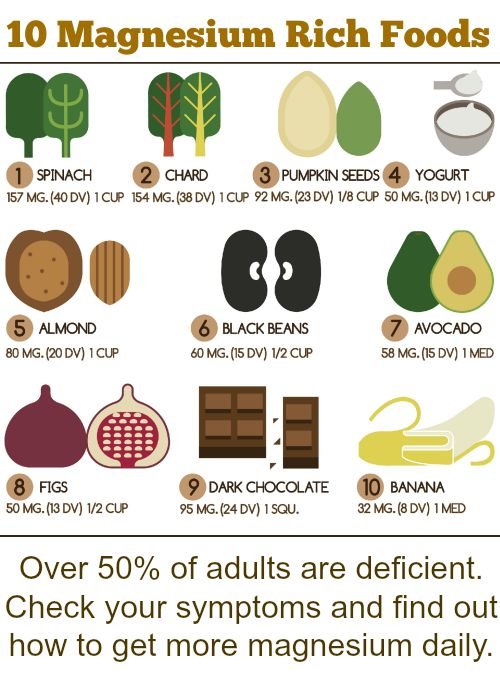
#8 Add a Magnesium Supplement
Beyond electrolytes, magnesium can help prevent muscle cramps.
Magnesium is used by nearly every cell in your body and is involved in more than 300 different processes that keep things running smoothly.
For runners, it’s especially important because it helps with things like muscle contraction and relaxation, nerve function, heart health and blood pressure regulation.
In other words, magnesium helps your muscles work the way they’re supposed to, tightening then they need to and then relaxing.
#9 Consider Replacing Your Shoes
If you’re continuing to wear running shoes long past their prime, then you might have found the culprit of your muscle spasms while running!
Shoes break down over time, which changes your form and, of course, means you aren’t getting the support or cushioning they were designed to provide.
Not sure where to look for the right pair of shoes? We have an entire library full of reviews of best-of lists to help you narrow your search.
I hope all of this helped you pinpoint what might be causing your muscle cramps from running!
Looking for more of what to read next?
- Beginner marathon training tips
- Learning How to Pace Yourself While Running
- Hip Strength Workouts to Help Muscle Imbalances
The post What Causes Muscle Cramps for Runners + How to Prevent Them appeared first on RunToTheFinish.