What Does it Mean to Be a Sustainable Runner?
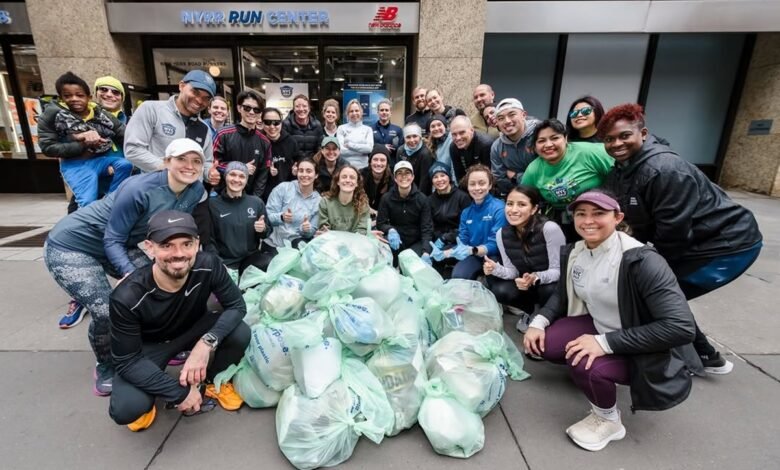
From cupless racing to recycling gel wrappers, plogging, and being a little more mindful about the gear you use, becoming a sustainable runner can start with a few simple shifts.
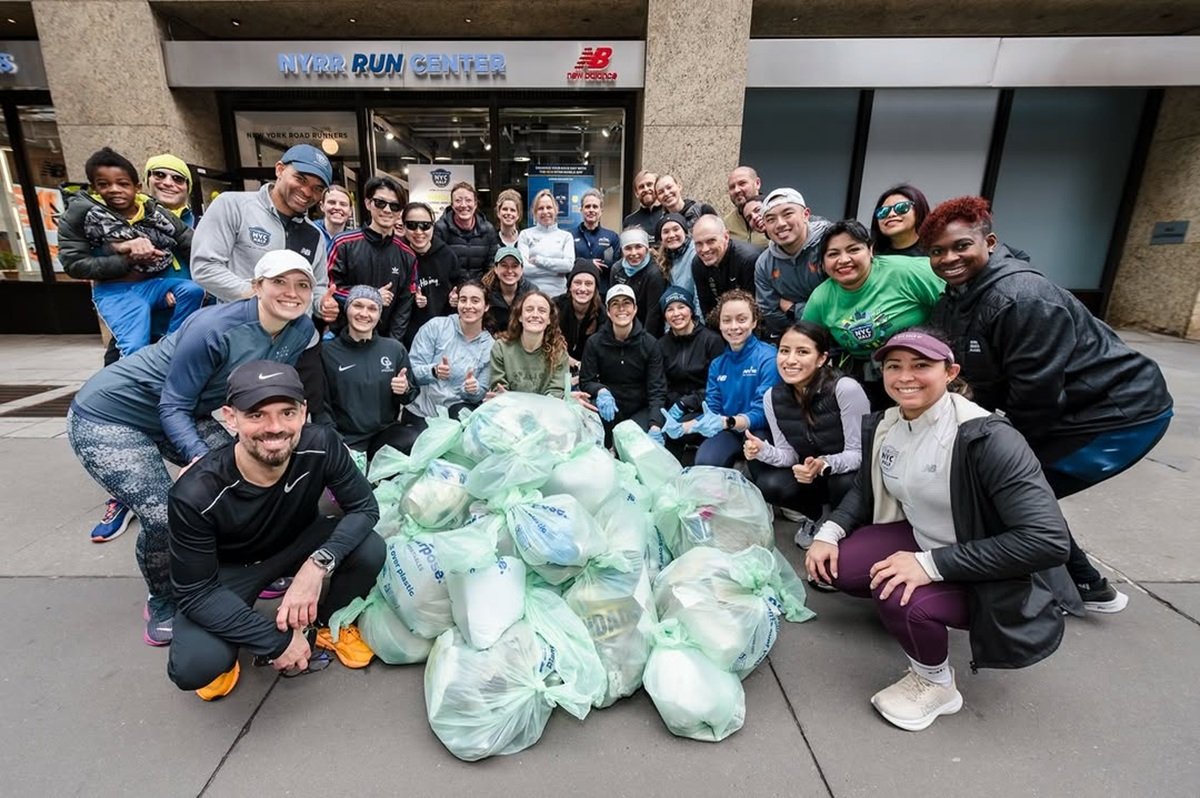
Sustainability is becoming a bigger topic in the running community, and we expect it to keep growing, thanks in part to the work of sustainability expert Tina Muir.
We recently had the chance to chat with her on an episode of the Tread Lightly Running Podcast to learn more about what we, as runners, can do.
So what does it actually look like to be a more sustainable runner? The good news is, it’s probably a lot simpler than you think. Let’s take a look.
What Does it Mean to Be a Sustainable Runner?
Statistics show that during the 2025 LA Marathon alone, around 800,000 cups were used throughout the event and the NYC marathon is over 1.2 million.
When you zoom out and think about all the major marathons, local races, and everything in between, those numbers add up quickly.
So what does it actually mean to be a sustainable runner? It’s not about being perfect or overhauling everything you do.
It’s more about being aware of the small choices you’re making and doing what you can, when you can.
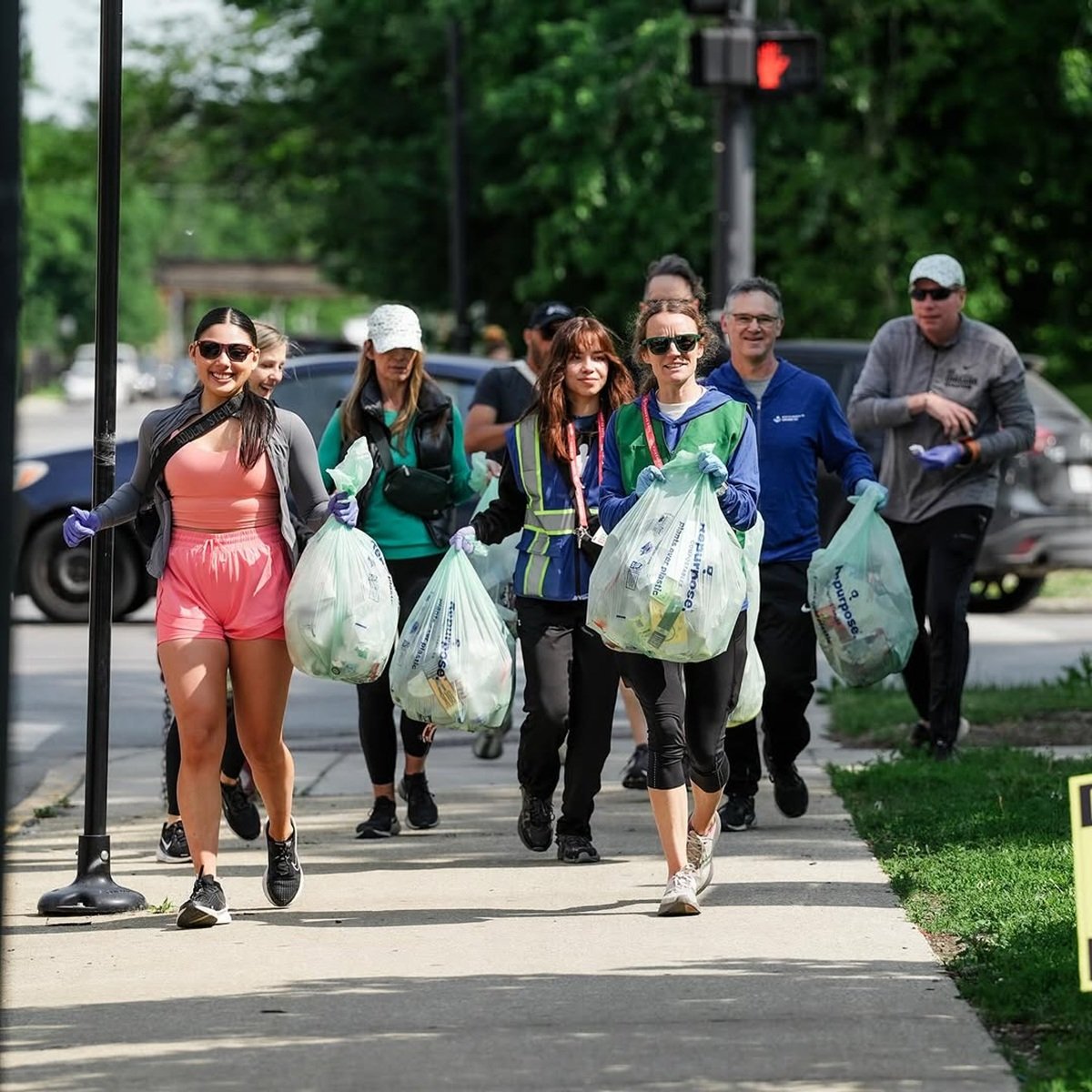
As runners, we already understand how the day-to-day work adds up when you’re training for a goal. The same idea applies here.
Small shifts, like carrying your own handheld instead of grabbing cups at every aid station, wearing your gear more than once before washing (well, at least in the winter when you may not sweat as much!), or choosing a few quality pieces that last longer, can go a long way.
You can even keep it really simple, like opting out of a race shirt you’ll probably never wear, or donating gear that’s just been sitting in your closet.
None of these are huge changes on their own, but together, they start to make an impact.
Recycling Gel Wrappers, Running Shoes, and More
There are a couple of really simple ways you can start making a small impact on sustainability.
Think about how many gels, chews, and bars you go through, especially during a longer training cycle. Those wrappers add up fast.
Instead of tossing them, you can hang onto your used wrappers and send them in to be recycled.
There’s a program through GU and TerraCycle that lets you print a free shipping label and mail it in.
They accept wrappers from any brand and turn them into benches or playground equipment, making this an easy win for reducing waste!
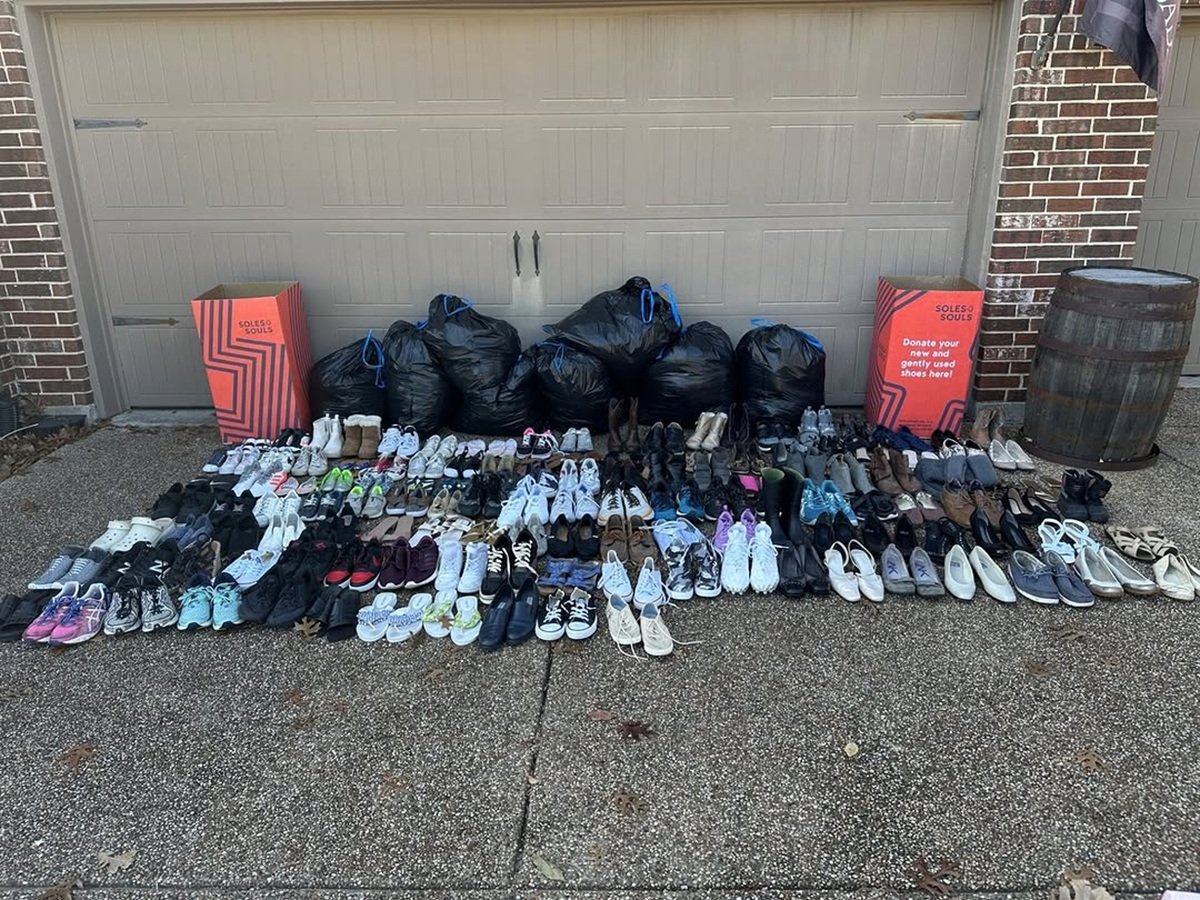
Raise your hand if you’ve got a pile of old running shoes you just can’t bring yourself to toss?
The good news is you don’t have to. You can donate them for reuse if they’re still in decent shape, or recycle them into something new if they’re not.
Organizations like Got Sneakers or Sneaker Impact will take your shoes and pass them along to someone who can use them. And if they’re past that point, they’ll be turned into things like playground materials.
It’s a really simple way to clear out your closet and make a small impact at the same time.
What Brands are Leaning Into Sustainability?
We’ve started to see more brands putting real thought into their impact on the environment. Whether it’s reducing waste, cutting down on carbon emissions, or using less plastic, it’s a step in the right direction, even if there’s still more work to be done.
Here’s a look at a few brands and what they’re currently focusing on when it comes to sustainability.
- Created a high-performing shoe that’s made with a fraction of the environmental impact through the use of biobased materials.
- Carbon footprint that is 37% lower than the industry average of 13.61kg/Co2e and the bio content is significantly higher than the industry average

- Manufacturing material waste sent to landfill or incineration by 2030
- Launch Brooks’ first fully circular performance running footwear and apparel by 2030
- Launch recommerce and implement a product take-back program
- Reducing CO₂ emissions by 8.3%
- Embracing recycled materials and using fewer resources (polyester fabric from recycled PET bottles, bio-based materials, solution dyeing)
- The Gel Kayano for example has 29% lower carbon footprint than the industry average
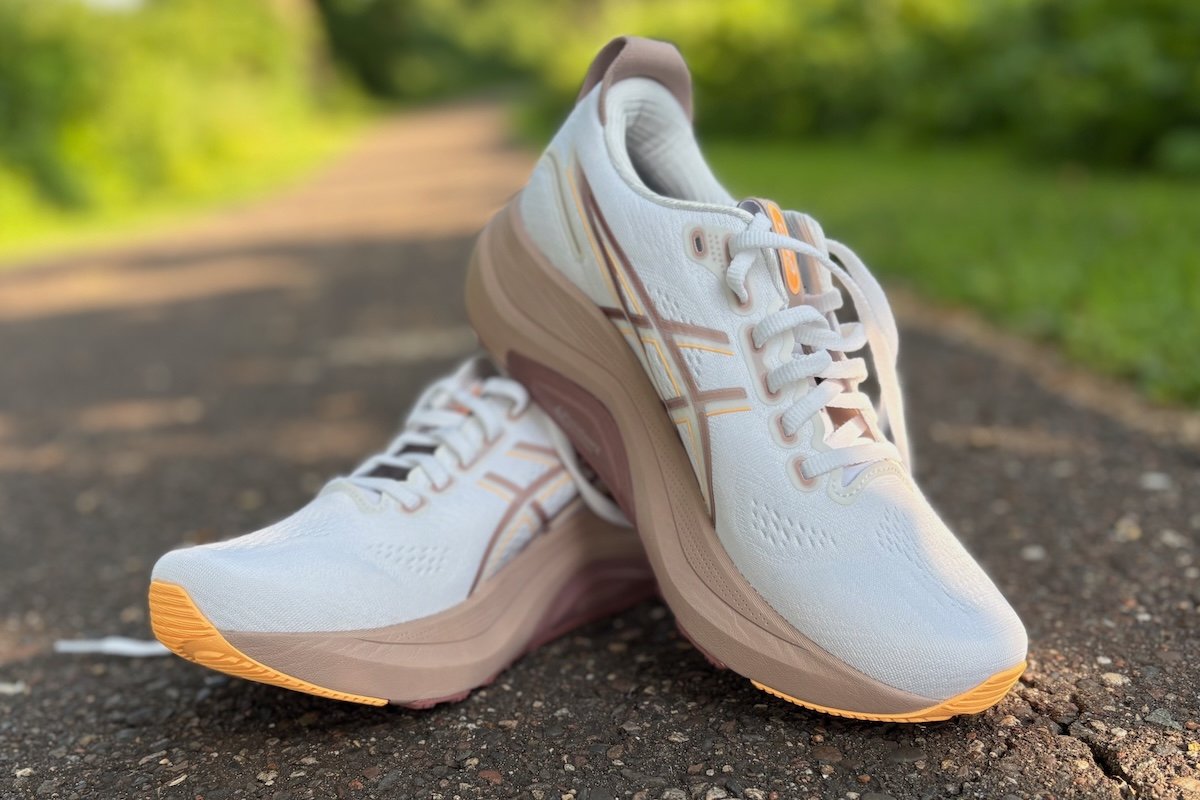
- Member of the United National Global Compact (UNGC) since 2016
- 99.65% of HOKA styles contain at least one preferred material (a recycled, renewed or naturally sourced material)
- 55% of all co-polyester fibers in footwear and 70% in apparel and accessories will come from post-consumer post-industrial or renewable sources by 2030.
- Hoka’s goal is to reduce energy usage in our footwear by 25% per pair by 2030.
There’s so much more information that we could share with you on this topic. To keep the conversation going, listen to the full Tread Lightly Running podcast episode with Tina Muir.
Looking for what to read next?
- Cupless Racing 101: Everything You Need to Know Before Your First Race
- 10 Best Budget Running Shoes
- 13 Best Running Gels: From Taste to Ingredients
The post What Does it Mean to Be a Sustainable Runner? appeared first on RunToTheFinish.